
5 Signs You Need Emergency Plumbing Services in Conway, AR (And How to Prevent Them)
A plumbing problem can go from inconvenient to damaging quickly, especially when water is spreading through a home or a critical fixture stops working. For homeowners and businesses in Conway, AR, knowing which problems can wait and which require immediate attention can help limit water damage, protect plumbing systems, and make the next step easier to decide.
Quick answer: You may need emergency plumbing services when you have an uncontrolled water leak, sewage backing up into the property, a burst or frozen pipe, a major loss of usable water, or a plumbing problem that creates an immediate risk of property damage. If you can safely stop the water at a fixture or the main shutoff, do so while arranging professional help.
What local property owners should know
Active leaks that cannot be contained should be treated more urgently than small, isolated drips.
Cold snaps in central Arkansas can put exposed and poorly insulated plumbing at greater risk of freezing and bursting.
Heavy rain can reveal drainage and sewer problems, particularly when a system already has restricted flow or damaged components.
Knowing where your property’s main water shutoff is located can make a major difference during a plumbing emergency.
Sewage backups require extra caution because wastewater can create sanitation concerns inside a home or business.
Why Do Plumbing Emergencies Matter in Conway?
Plumbing emergencies matter in Conway because uncontrolled water, sewage, and damaged pipes can affect floors, walls, cabinets, belongings, and the usability of a property within a short period. Local weather changes, periods of heavy rain, and occasional freezing conditions can also place different types of stress on residential and commercial plumbing systems.
Conway sits in Faulkner County and includes a mix of established homes, newer developments, rental properties, businesses, and institutional buildings. Plumbing conditions can therefore vary considerably from one property to another. A problem in an older home near central Conway may have a different cause than one in a newer property closer to growing residential areas.
Ace Rooter & Plumbing understands that the first question during an urgent plumbing problem is usually simple: What should I do right now? We encourage property owners to focus first on stopping additional water when it is safe to do so, avoiding contact with wastewater, and getting the source of the problem properly diagnosed.
What Do Local Plumbing Conditions Tell Us?
Local plumbing conditions show why prevention needs to account for both Arkansas weather and the specific condition of a property’s pipes, fixtures, drains, and sewer line. Without verified property-specific data, the safest approach is to treat age, previous repairs, drainage behavior, exposure to cold, and recurring symptoms as practical warning factors rather than assume every property faces the same risks.
Central Arkansas can experience hot summers, thunderstorms, heavy rainfall, and periods of freezing winter weather. Properties around Conway, Lake Conway, and the broader Faulkner County area may encounter plumbing problems under different conditions throughout the year.
For example, exposed pipes can become vulnerable during a freeze, while slow drains that seem manageable during normal use can become more disruptive if a blockage worsens. The important point is to respond to what the plumbing system is actually telling you.
What Are the 5 Signs You Need Emergency Plumbing Services?
The five clearest signs of a plumbing emergency are uncontrolled leaking, sewage backup, a burst or frozen pipe, a major loss of water service, and a plumbing failure that is actively damaging the property. These problems generally deserve faster attention than routine issues such as a dripping faucet or a single slow drain.
1. Water Is Flowing and You Cannot Stop It
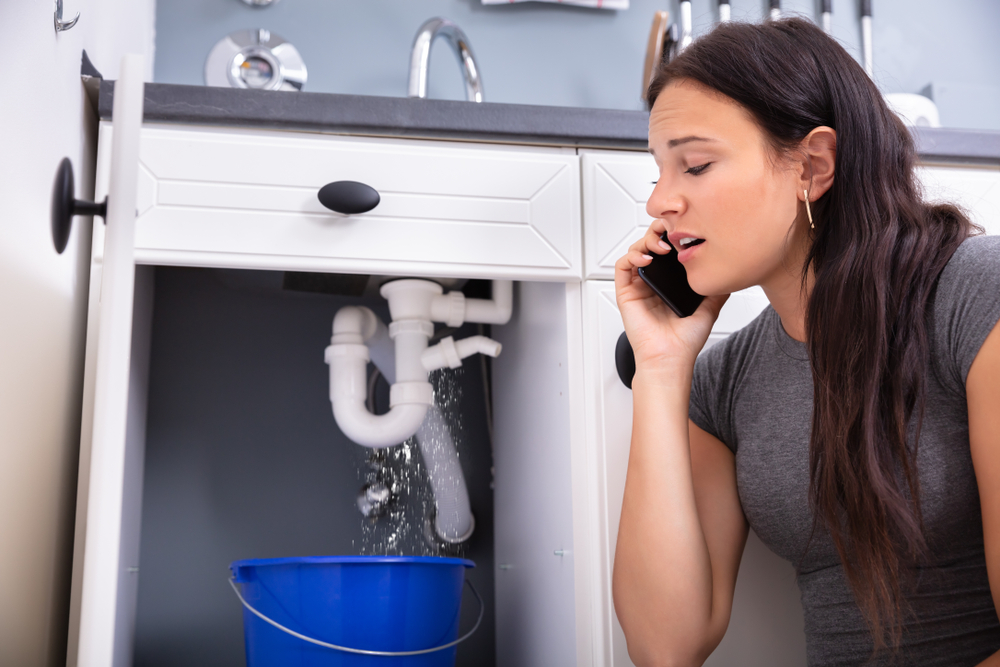
A rapidly leaking pipe, failed supply line, overflowing fixture, or other uncontrolled water source can damage flooring, drywall, cabinetry, and nearby belongings.
If you can safely identify the fixture shutoff, close it. If that does not stop the leak, the property’s main water shutoff may be necessary. Once the immediate flow is controlled, the damaged plumbing still needs to be evaluated.
2. Sewage Is Backing Up Into Your Home or Business
Wastewater coming through a toilet, shower, tub, or floor drain is a problem that should not be treated like an ordinary clog. Avoid contact with the affected water and limit use of plumbing fixtures until the source is identified.
A backup may involve a localized blockage or a larger drain or sewer-line problem. Multiple fixtures backing up at once are an especially important warning sign.
3. You Have a Burst or Frozen Pipe
Frozen plumbing can restrict water flow and may split or damage a pipe. The leak sometimes becomes obvious only after the frozen section begins thawing.
During cold weather in Conway, pay particular attention to plumbing in garages, crawl spaces, exterior walls, and other poorly protected areas. If you suspect a frozen pipe, avoid using an open flame or other unsafe heating method.
4. Your Property Suddenly Loses Usable Water
A sudden loss of water can become urgent when it affects the entire property and is not related to a known utility interruption. First determine whether the problem affects one fixture or the whole building.
If neighboring properties also have no water, the issue may be outside your plumbing system. If the problem appears isolated to your property, professional diagnosis can help identify a valve, supply, pressure, or piping issue.
5. A Plumbing Problem Is Actively Damaging the Property
Water appearing through a ceiling, spreading across flooring, collecting near walls, or entering areas with electrical equipment deserves immediate attention.
The visible water may not be directly below the source. Plumbing leaks can travel along framing and other building materials before becoming noticeable, which is one reason locating the actual failure matters.
When Should You Call a Professional Plumber?
Call a professional when you cannot safely contain the problem, sewage is entering the property, a pipe has burst, multiple drains are backing up, or water is actively causing damage. Minor issues that are stable and isolated may allow more time, but worsening symptoms should not be repeatedly postponed.
A Conway homeowner can safely monitor something like a small faucet drip while arranging routine service. An expanding ceiling stain, overflowing wastewater, or water spraying from a damaged line belongs in a different category.
If water is near electrical equipment or creates another immediate safety hazard, keep your distance and prioritize personal safety.
What Commonly Causes Plumbing Emergencies in the Conway Area?
Common causes of local plumbing emergencies include drain blockages, pipe deterioration or damage, freezing temperatures, failed fixtures or supply connections, and sewer or drain problems that worsen over time. The exact cause should be diagnosed rather than assumed from the symptom alone.
Cold weather can threaten exposed plumbing during Arkansas freezes. Heavy rain may coincide with drainage problems that become more noticeable during wet periods. Normal wear can also affect shutoff valves, toilet components, water connections, and other plumbing parts.
Properties in Conway, Mayflower, Greenbrier, and surrounding Faulkner County communities can differ in age, construction, plumbing materials, and maintenance history. Those differences matter when diagnosing recurring trouble.
How Can You Prevent a Plumbing Emergency?
You can reduce the risk of a plumbing emergency by fixing recurring problems early, protecting vulnerable pipes from cold, monitoring drains, knowing your main shutoff location, and periodically checking visible plumbing connections for leaks. Prevention cannot eliminate every failure, but it can help catch developing problems before they become more disruptive.
Before freezing weather arrives, identify exposed or poorly protected plumbing and take appropriate steps to protect it. Throughout the year, pay attention to drains that repeatedly slow down, toilets that frequently clog, unexplained moisture, unusual plumbing sounds, and changes in water pressure.
Do not rely on repeated temporary fixes for a recurring problem. If the same drain keeps clogging or moisture repeatedly appears in the same location, identifying the underlying cause is usually more useful than treating the symptom again.
What Results Can You Expect From Professional Plumbing Service?
Professional plumbing service should identify the source of the immediate problem, determine an appropriate repair approach, and help you understand whether additional plumbing concerns need attention. The specific repair and outcome depend on the cause, location, accessibility, and condition of the affected plumbing.
For an emergency, the immediate goal is often to stop or contain the active problem. After that, the plumber can evaluate what failed and what repair is appropriate.
A drain blockage, broken pipe, failed connection, and sewer-line issue may produce similar symptoms but require very different solutions.
What Plumbing Emergency Mistakes Should You Avoid?
The biggest plumbing emergency mistakes are delaying action, using unsafe DIY methods, continuing to use backed-up fixtures, and failing to locate the source of recurring trouble. A better response is to contain what you safely can and arrange proper diagnosis when the situation exceeds a simple household fix.
Mistake: Continuing to run water when several drains are backing up.
Consequence: Additional wastewater may enter fixtures or affected areas.
Better approach: Reduce plumbing use and have the drainage problem evaluated.
Mistake: Using an open flame on a frozen pipe.
Consequence: This creates a serious fire and property-damage risk.
Better approach: Use safe methods and seek professional assistance when the pipe cannot be safely thawed.
Mistake: Cleaning up visible water without addressing the leak.
Consequence: Water may continue spreading in concealed areas.
Better approach: Stop the source first when possible, then address cleanup and repairs.
What Is a Common Local Plumbing Emergency Scenario?
A common local scenario is a vulnerable pipe freezing during a sharp winter cold spell and beginning to leak as temperatures rise and the pipe thaws. This is an example of how a weather event can expose a weak or insufficiently protected section of plumbing.
A Conway property owner might first notice reduced flow at a fixture, followed later by unexpected water around a wall, cabinet, garage, or crawl-space area. The appropriate response is to stop the water if possible and have the damaged section evaluated rather than assuming thawing has solved the problem.
Which Plumbing Services Can Help?
The right plumbing service depends on whether the emergency involves a pipe, drain, fixture, sewer line, or another part of the system. Accurate diagnosis helps determine whether the solution is a targeted repair, drain service, replacement of a failed component, or further investigation.
We can evaluate the symptoms and help determine the appropriate next step for the plumbing problem affecting your property.
Emergency Service or Routine Repair: Which Do You Need?
Emergency service is appropriate when waiting could allow significant damage, sanitation problems, or loss of essential plumbing use to continue, while routine repair is generally suitable for stable problems that can be safely contained. The amount of water involved and how quickly conditions are worsening are useful factors when deciding.
A dripping faucet can usually be scheduled. Water pouring from a broken supply connection should be addressed immediately. One slow sink may be routine, while wastewater backing up through several fixtures calls for a faster response.
Where Do Local Plumbing Concerns Occur?
Plumbing problems affect properties throughout Conway and neighboring Faulkner County communities, with risks varying according to property age, construction, pipe location, maintenance, and weather exposure. Nearby communities such as Mayflower and Greenbrier experience many of the same central Arkansas weather conditions that can contribute to plumbing trouble.
Within the city, properties near Downtown Conway, the University of Central Arkansas area, and residential growth areas can have very different plumbing configurations and histories.
What Can Happen If You Ignore a Plumbing Emergency?
Ignoring a genuine plumbing emergency can allow water damage, wastewater contamination, plumbing deterioration, and repair needs to become more extensive. The safest approach is not to panic, but to recognize when a problem is actively getting worse and respond accordingly.
A small amount of water can sometimes be contained. An active leak inside a wall or ceiling is different because the full extent may not be visible.
Frequently Asked Questions About Emergency Plumbing in Conway, AR
What counts as a plumbing emergency in Conway?
A plumbing problem is generally an emergency when it involves uncontrolled water, sewage entering the property, a burst pipe, major loss of usable water, or an immediate risk of property damage. A stable drip or isolated slow drain can often wait for routine service, while an actively worsening problem deserves faster attention.
What should I do first if a pipe bursts in Conway?
The first step is to stop the water if you can safely reach and operate the appropriate shutoff valve. Move belongings away from spreading water when practical and avoid electrical hazards. Once the flow is contained, arrange professional plumbing service to locate the failure and determine the appropriate repair.
Can pipes freeze in Conway, AR?
Yes, plumbing in Conway can be vulnerable during periods of freezing weather, particularly when pipes are exposed or located in poorly protected spaces. Outdoor plumbing, crawl-space piping, garages, and pipes near exterior walls deserve extra attention when cold weather approaches. Preventive protection is easier than dealing with a split pipe after thawing.
Is a sewer backup always an emergency?
A sewage backup inside an occupied property should be treated urgently because wastewater creates sanitation concerns and continued fixture use can make the situation worse. Stop unnecessary water use, avoid direct contact with wastewater, and arrange an evaluation. Multiple fixtures backing up can indicate a problem beyond a simple individual drain clog.
Why are several drains in my Conway home backing up at once?
Several drains backing up together can indicate a blockage or drainage problem affecting a larger portion of the plumbing system rather than one fixture. Avoid repeatedly running water to test the drains. A professional evaluation can help determine where the restriction is located and what type of service is appropriate.
How can Faulkner County homeowners prepare plumbing for freezing weather?
Start by identifying pipes in exposed, unheated, or poorly protected areas and making sure they have appropriate freeze protection before temperatures fall. Know where the main water shutoff is located as well. If you are unsure whether vulnerable piping is adequately protected, professional inspection can identify areas that deserve attention.
Should I use chemical drain cleaner during a plumbing emergency?
Chemical drain products are not an appropriate solution for every blockage and may not address the underlying cause of a recurring or widespread backup. If several fixtures are affected, wastewater is backing up, or a clog repeatedly returns, stop treating only the symptom and have the drainage system properly evaluated.
How can Conway homeowners prevent emergency plumbing calls?
Regularly check visible plumbing for moisture, respond to recurring clogs, protect vulnerable pipes before freezing weather, and learn how to shut off the property’s water. Pay attention to unexplained increases in moisture, changes in pressure, unusual drain behavior, and recurring plumbing symptoms rather than waiting for them to become severe.
Protect Your Conway Property Before a Plumbing Problem Gets Worse
Recognizing an emergency early can help you respond before an active plumbing problem causes additional disruption or property damage. For local homeowners and businesses, knowing the shutoff location, watching for warning signs, and addressing recurring issues are practical ways to stay prepared.
Get Help With an Urgent Plumbing Problem in Conway
When a plumbing problem cannot safely wait, we can help you determine the appropriate next step and address the source of the issue.
Categorised in: Emergency Plumbing